A small gallery housed in an old saddlery is changing the shape of a colonial-era rural village, demonstrating the power of art in regional Australia.
It was a chicken coop with a tin roof that sold Felicity Wells on the idea of moving to the country.
The former advertising executive had filled her backyard on Sydney’s upper north shore with 12 chickens, ducks and cattle dogs before she decided it might be time to move to a bonafide farm.
On their first visit to Carcoar, in central-western NSW, Felicity and her husband were taken by a house on a hill with breathtaking views of the rolling landscape and the colonial-era village.
“I walked around the back of the property and there was a beautiful little chicken coop with a chicken run, almost more beautiful than the house in St Ives that I’d lived in for 15 years,” Felicity said.
“I said to my husband, ‘oh my goodness, could we put in an offer because this is where we’re going to live’.
“He said, ‘do you want to see inside the house first?’”
They moved from Sydney to the charming hamlet in mid-2023, among the almost 115,000 Australians who left the capital cities for the regions that year.
Felicity immediately saw the untapped artistic potential in and around the village of 271 people, known as “the town that time forgot”.
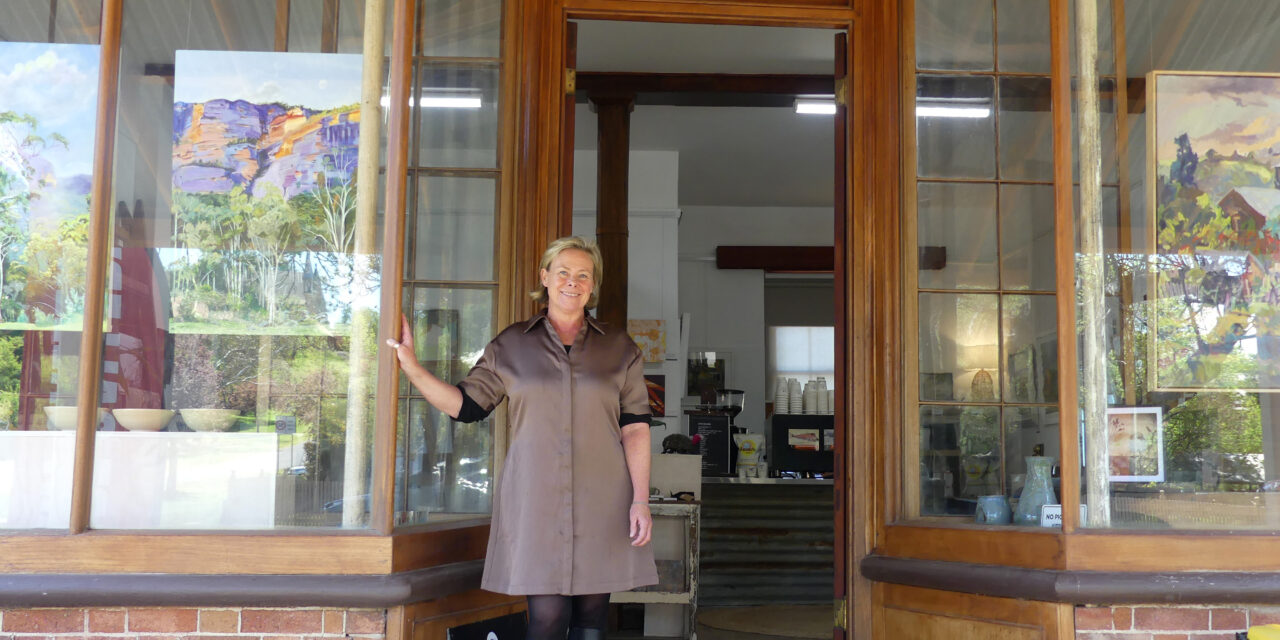
After she curated six exhibitions in a white-walled space in nearby Blayney, a local offered her the chance to set up A Thousand Words Gallery in the village’s old saddlery.
Behind the 1852 shop’s wide bay windows and original wooden features, district artists’ works are on display alongside a landscape by Sydney painter Paul McCarthy and an abstract floral series by BK Ku.
“Bringing these artists and this work to a small town like Carcoar is about sharing, it’s a window for the community to look into,” Felicity said.
“We’re all made up of different fibres and views, so there’s wonderment in having such a broad depth of work and artists for people to connect with.”
Felicity curated an exhibition called Lightdance, asking artists to respond to the way light “plays, teases and tickles” in the spring.
Local ceramicist Rebecca Dowling made crockery in sunny yellows, silversmith Rebecca Price created jewellery with shimmering flecks of gold, while others dreamed up light-drenched landscapes.
Textile fairy wrens, cockatoos and lyrebirds made by ornithologist and artist Leanne Wicks nest in clusters around the gallery.
On a sunny spring morning, couples, groups of friends and a family with a cattle dog in tow gathered outside the gallery to drink coffee and eat cakes prepared by Felicity.
While the treats were welcome, it was art that could help change the shape of regional Australia by supporting creatives and attracting visitors, Felicity said.
“Without people in small towns, they can become dilapidated and lost very quickly,“ she said.
“I didn’t come here to save the town, but I feel like the gallery is bringing an element of magic and wonder.
“People like to be here, it just makes people happy.”
— AAP
Gallery the future of the town time forgot