The CFA is anticipating a potentially challenging fire season across Victoria.
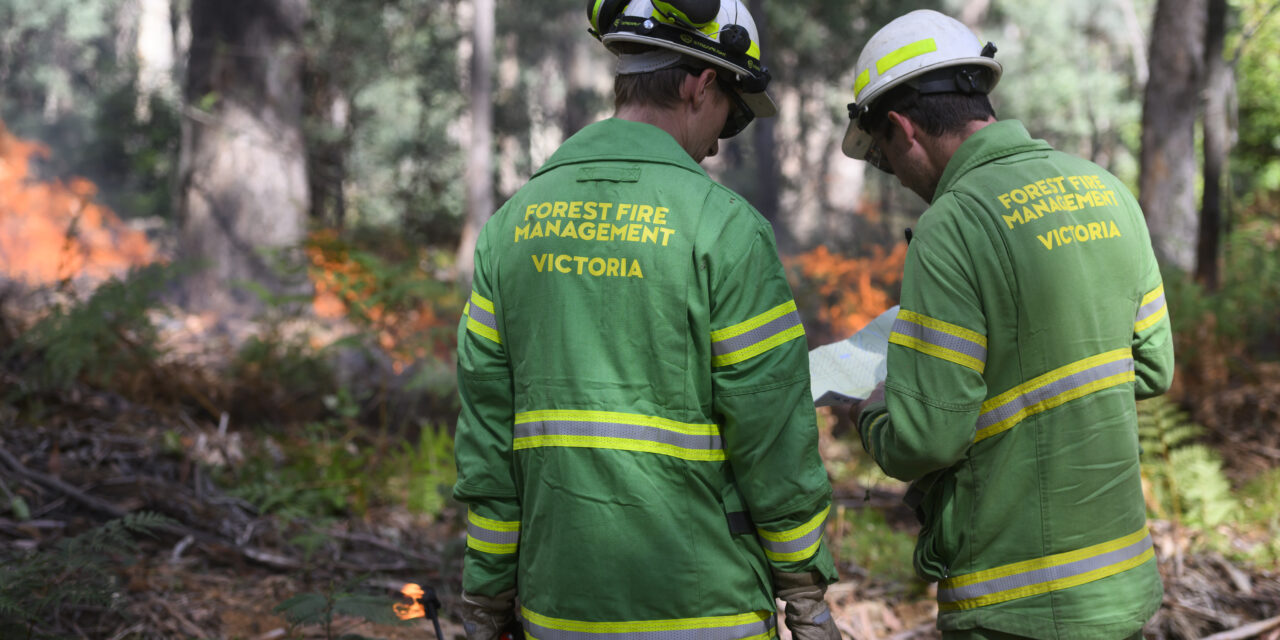
Meanwhile, Forest Fire Management Victoria crews are working across the state to reduce the risk and impact of bushfires through a combination of planned burning, non-burn bushfire risk management and strategic preparation.
More than 530 CFA brigades hosted Get Fire Ready events at fire stations and within local communities across Victoria during October.
It was the largest statewide community engagement initiative the CFA had ever run, reaching metro, regional and rural communities alike.
The events were designed to engage residents directly, offering practical advice and resources to help them understand their fire risk, develop a fire plan and know where to access emergency information.
CFA chief officer Jason Heffernan said the Get Fire Ready initiative was about making sure Victorians understood their fire risk, had a fire plan and knew where to get emergency information from.
“Preparedness saves lives. By getting fire-ready now, communities can reduce their risk and respond quickly if fire threatens,” he said.
“Clearing gutters, mowing lawns, trimming branches, knowing where you’ll go if a fire breaks out and setting a watch zone in the VicEmergency app can make a real difference in an emergency.”
Forest Fire Management Victoria chief fire officer Chris Hardman said as soon as favourable weather and forest conditions arrived, FFMVic was delivering planned burning and non-burn bushfire risk management works.
“Planned burning plays a key role in our work in reducing bushfire risk. It involves the careful use of low-intensity fire to reduce dry vegetation like leaves and small branches that build up over time and make forests more flammable,” Mr Hardman said.
“In areas where planned burning isn’t suitable, such as near homes, on steep slopes or close to roads and towns, FFMVic uses non-burn bushfire management techniques.
“These include mowing and slashing long grass, mulching dense vegetation, targeted spraying of invasive weeds and maintaining public road networks in forests and reserves.
“Each method plays a vital role in reducing fuel loads and improving access for emergency services.
“The timing of these works is important. If grass is slashed too early, before it has cured, it will only encourage regrowth.”
Mr Hardman said FFMVic had more than 1800 personnel on the frontline, including firefighters, fire lookout observers and fire support officers; firefighting equipment, including more than 500 ultralight tankers and close to 100 heavy tankers; and more than 50 aircraft contracted for the season.
To keep up to date on planned burns near you, sign up to receive notifications at Planned Burns Victoria or download the VicEmergency app.
Authorities say get fire-ready